
Digital Tools Design Principles

Research shows that learning peaks with short, cognitively rich interactions. Therefore,
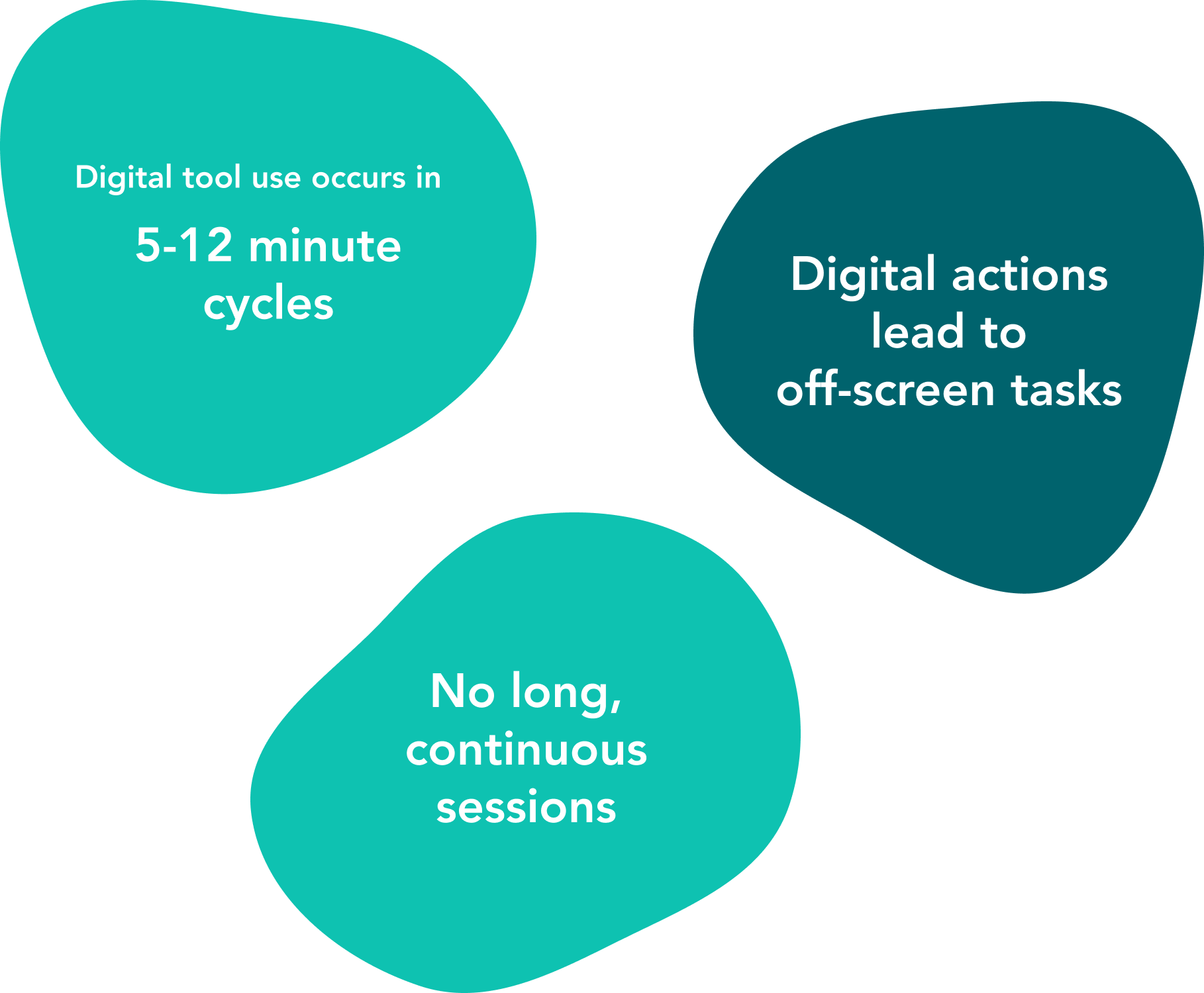
Digital tool design principles: short 5-12 minute cycles, off-screen follow-up tasks, and no long continuous sessions.
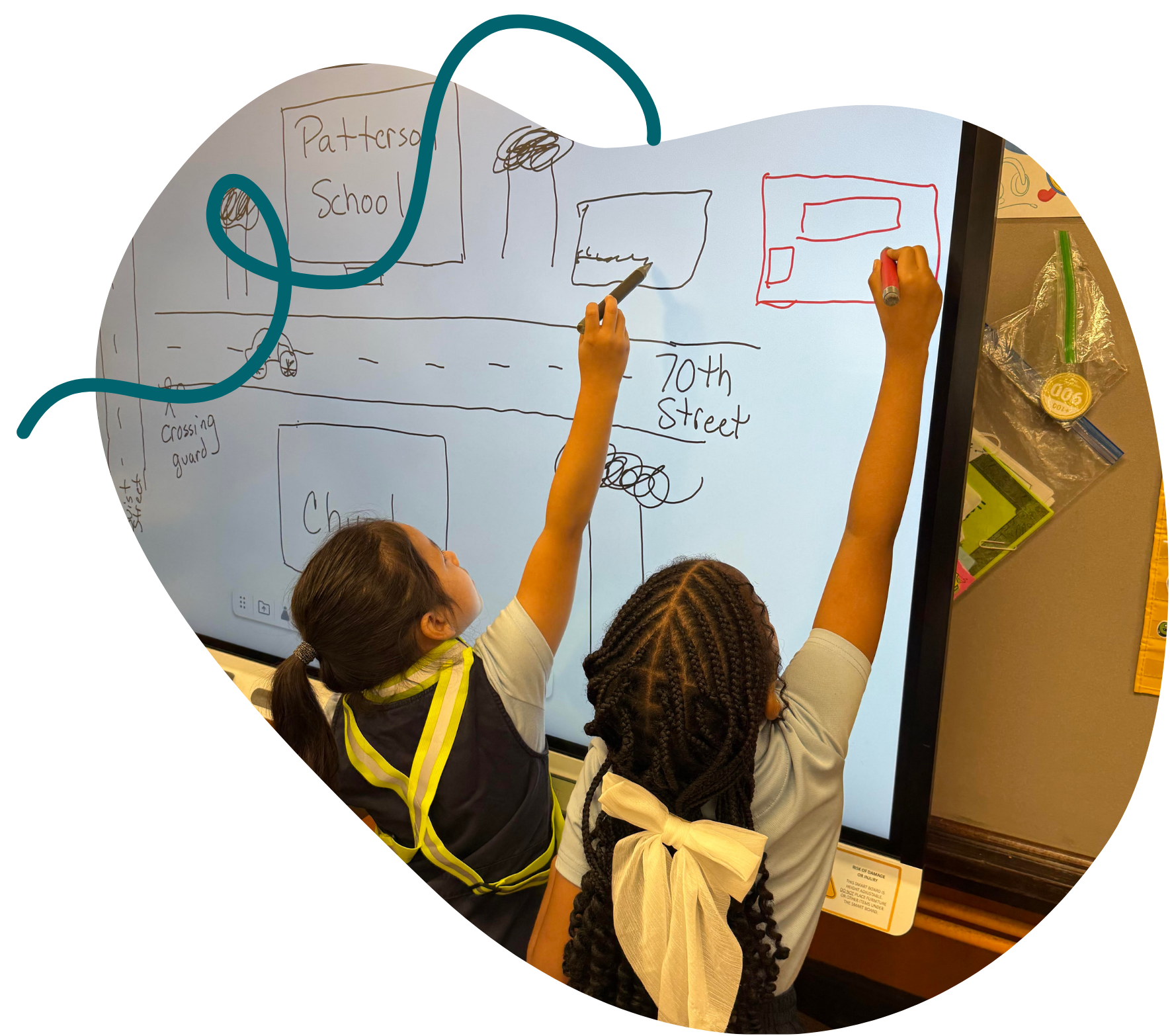
Two students collaborating on a hand-drawn town map at a whiteboard.
Three teal blob shapes listing digital tool design principles: Digital tool use occurs in 5-12 minute cycles; Digital actions lead to off-screen tasks; No long, continuous sessions.

“Good screen time” is participatory, not consumptive. It transforms students from technology consumers into critical thinkers, problem‑solvers, and collaborators.
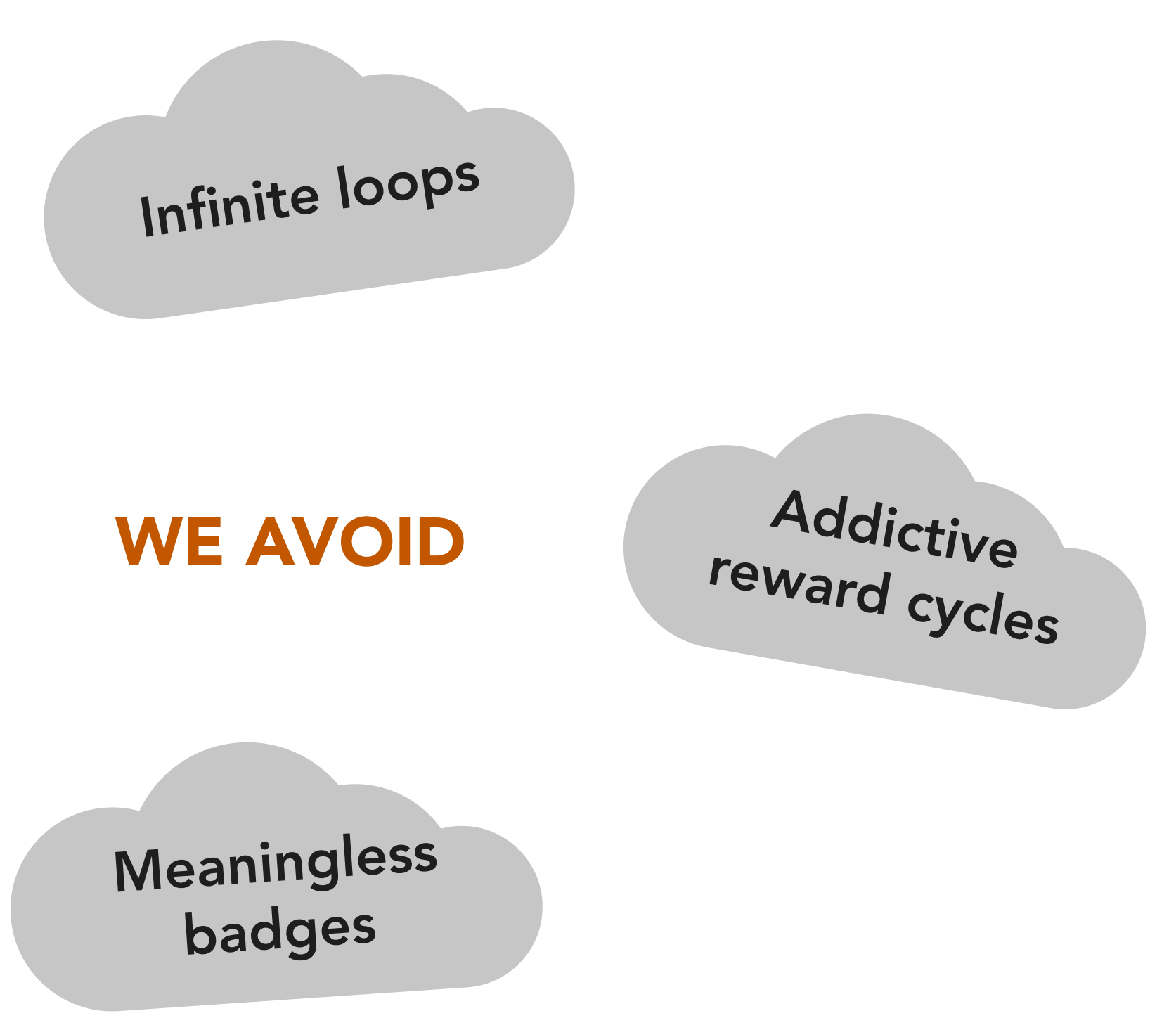
We avoid' diagram with dark clouds: infinite loops, addictive reward cycles, meaningless badges
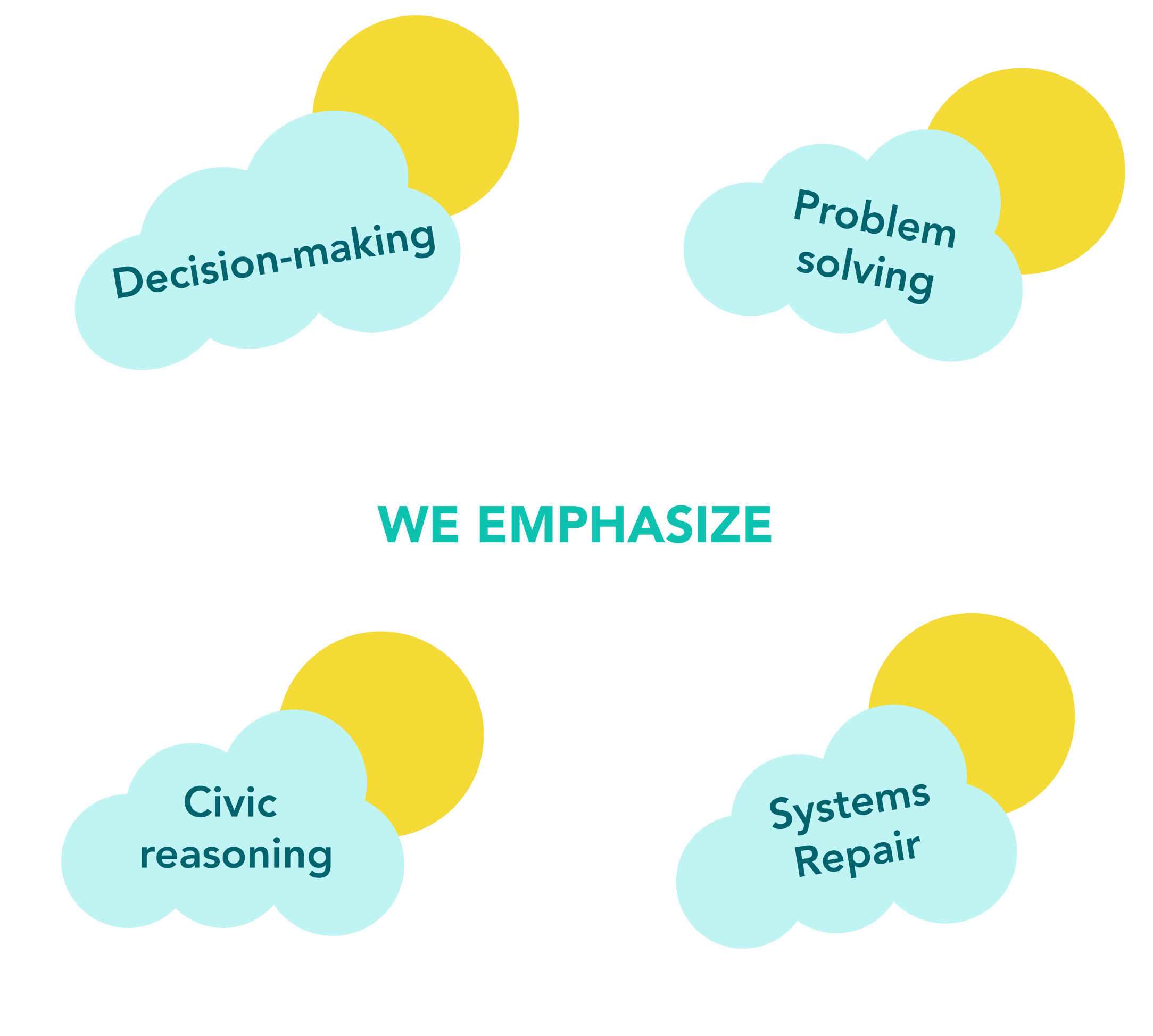
We emphasize' diagram with sunny clouds: decision-making, problem solving, civic reasoning, systems repair.

Edtech succeeds when it supports, not replaces, teachers. Our tools:
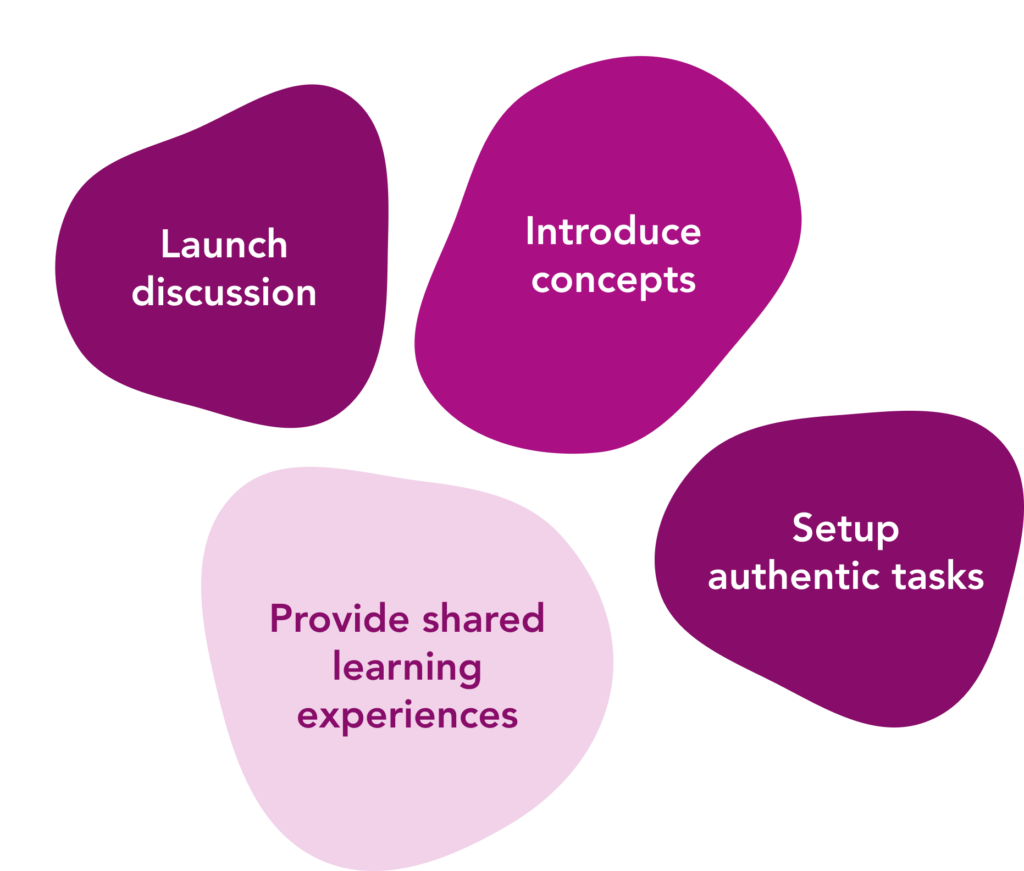
Teacher actions diagram: launch discussion, introduce concepts, setup authentic tasks, provide shared learning experiences.
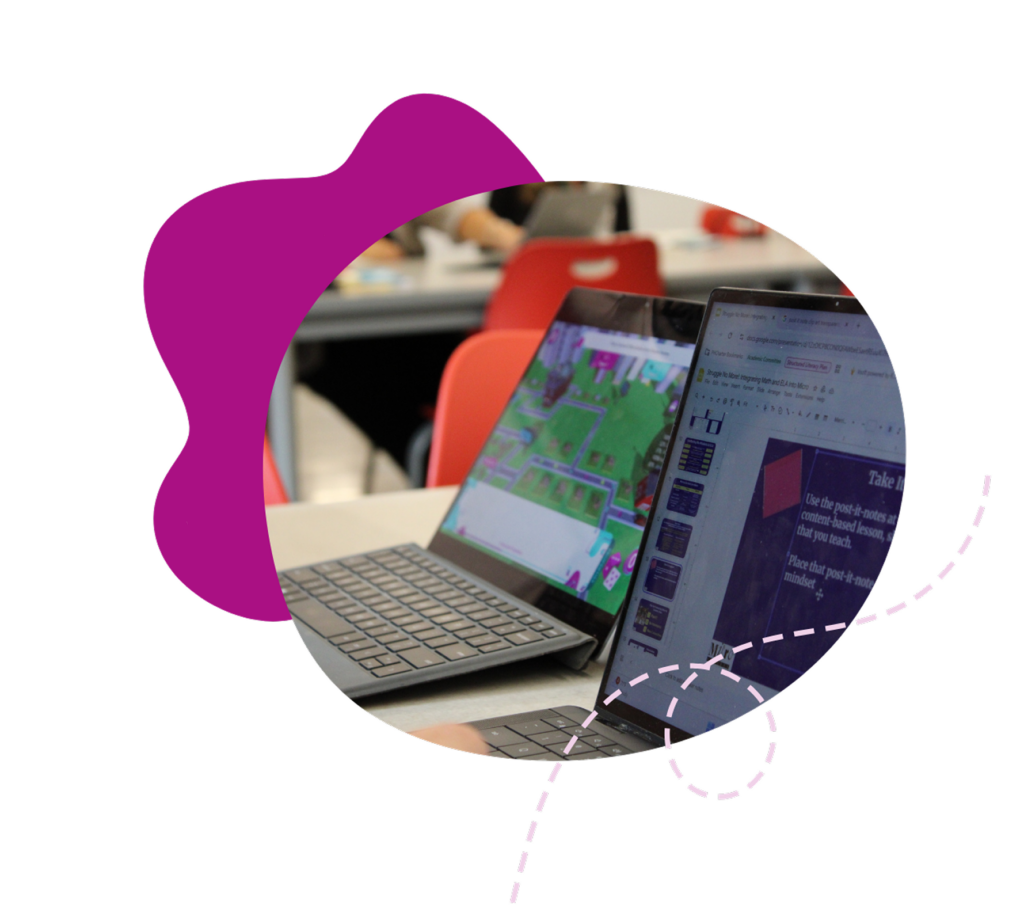
Photo of laptops displaying student work on a classroom desk.

A student’s ability to apply knowledge and skills is the #1 predictor of long‑term learning. All of our digital scenarios map to:
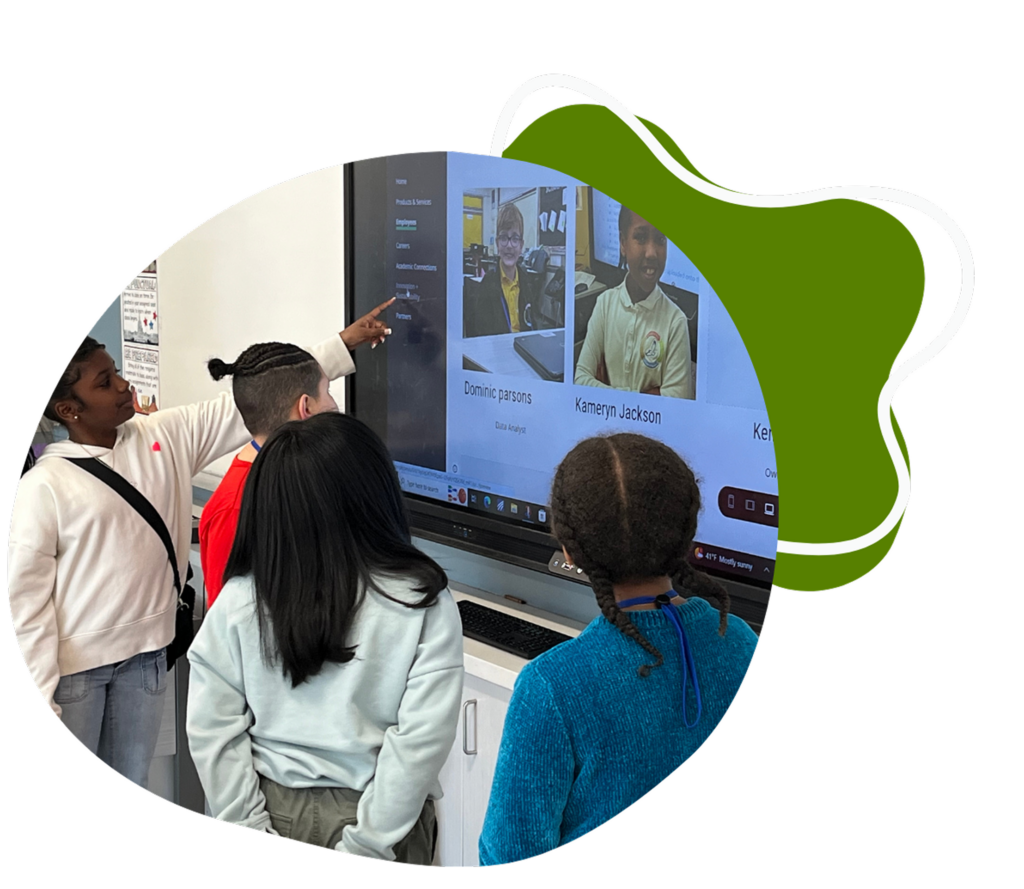
Photo of students interacting with a large touchscreen display.
  • An authentic role within dynamic systems or communities
  • Increasingly complex real-life variables, tradeoffs, and consequences
  • Decision-making that impacts people, environments, and economies
  • Civic and collaborative behaviors grounded in real-world needs

Reflection turns screen time into deeper learning. We include:
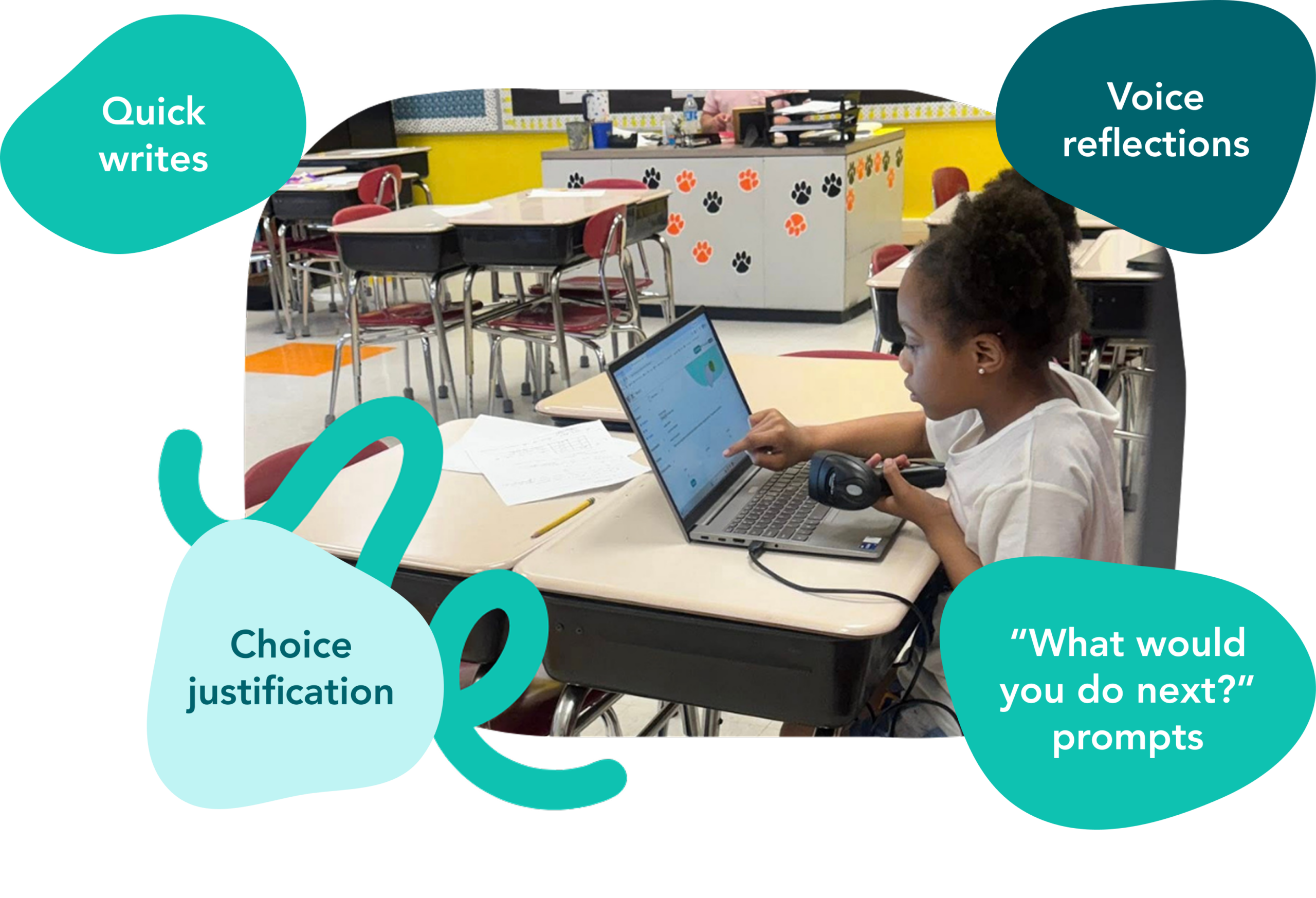
Reflection turns screen time into deeper learning. We include:

Instructional and Design Frameworks
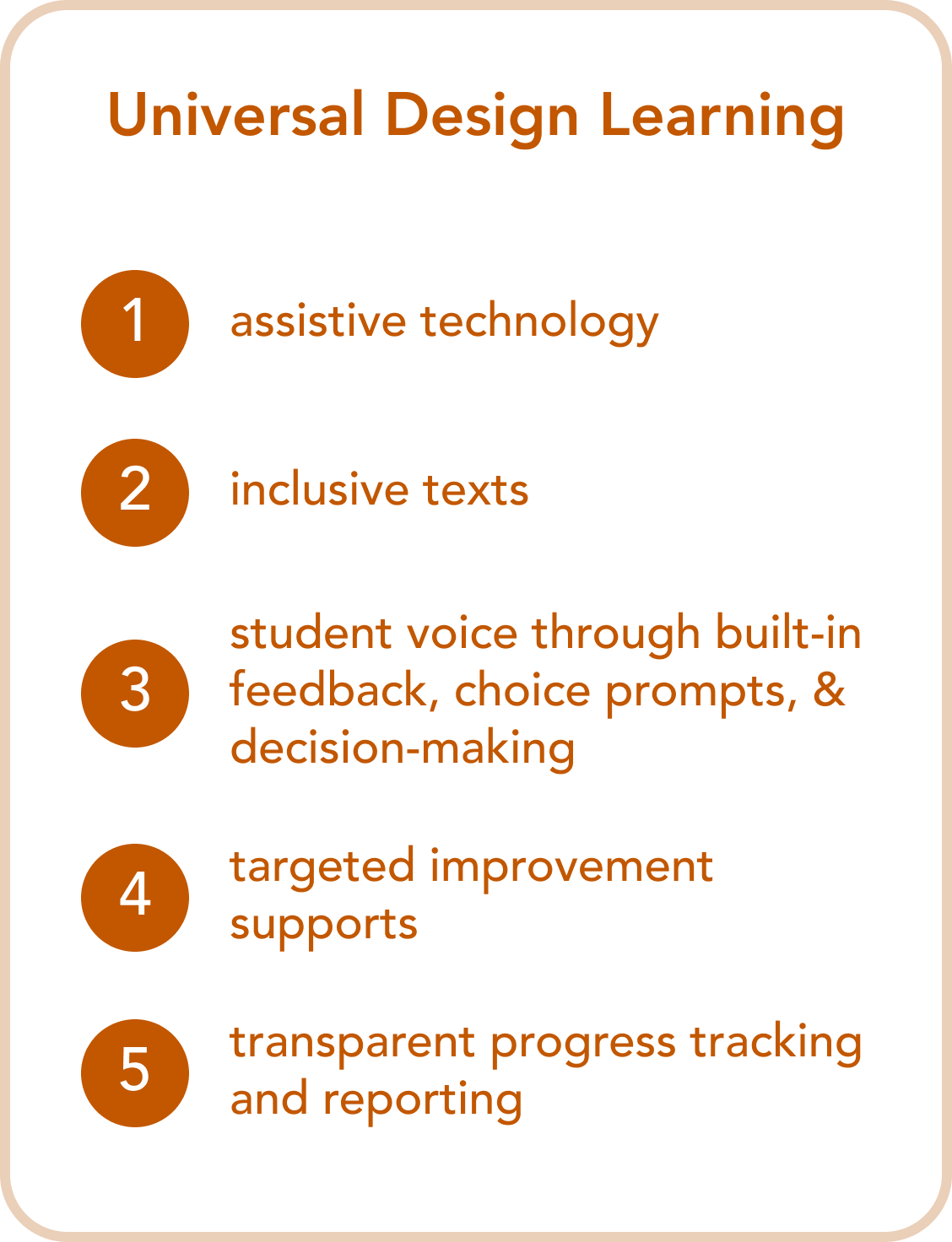
Numbered list titled 'Universal Design Learning': 1) assistive technology, 2) inclusive texts, 3) student voice through built-in feedback, choice prompts, and decision-making, 4) targeted improvement supports, 5) transparent progress tracking and reporting.
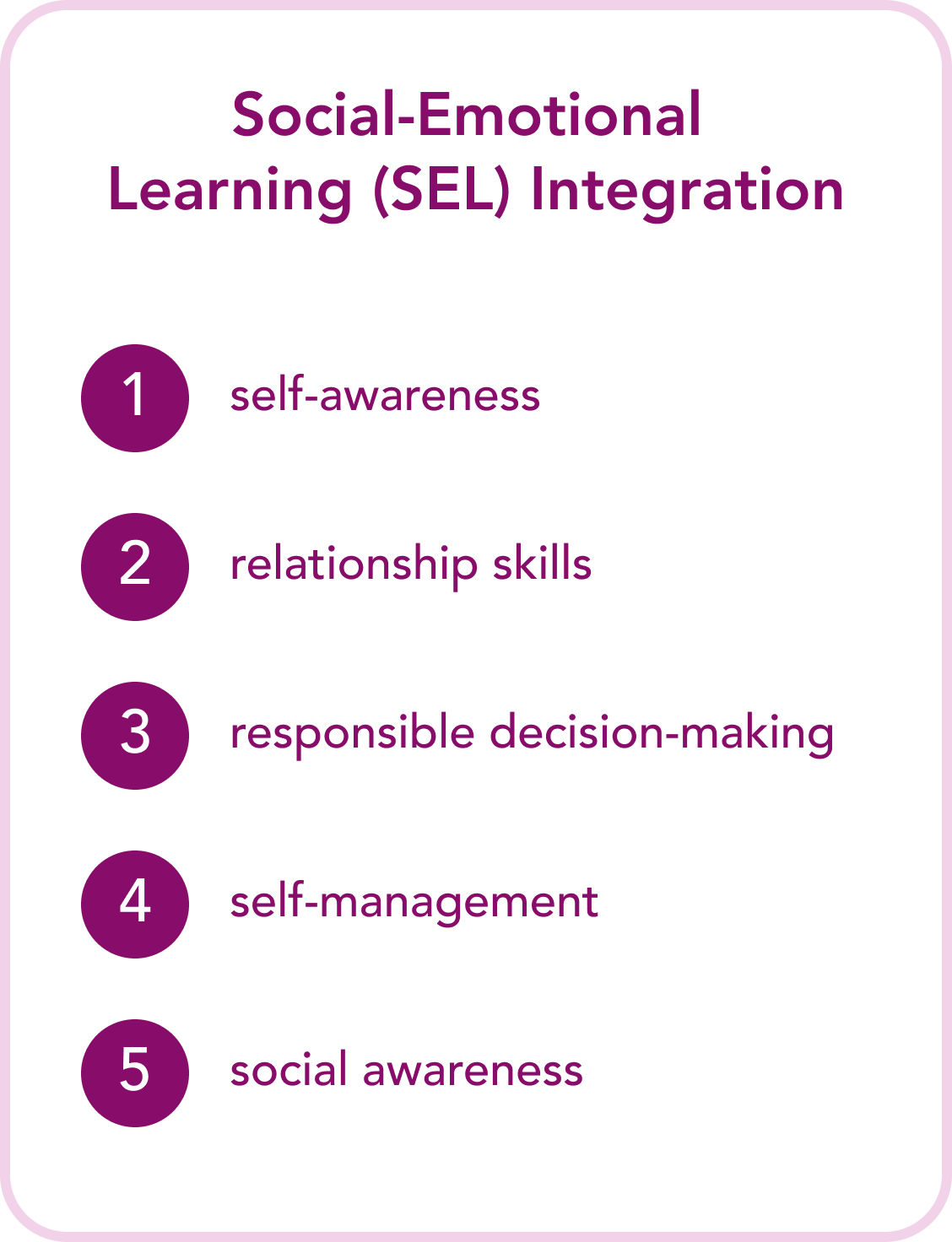
Numbered list titled 'Social-Emotional Learning (SEL) Integration': 1) self-awareness, 2) relationship skills, 3) responsible decision-making, 4) self-management, 5) social awareness.
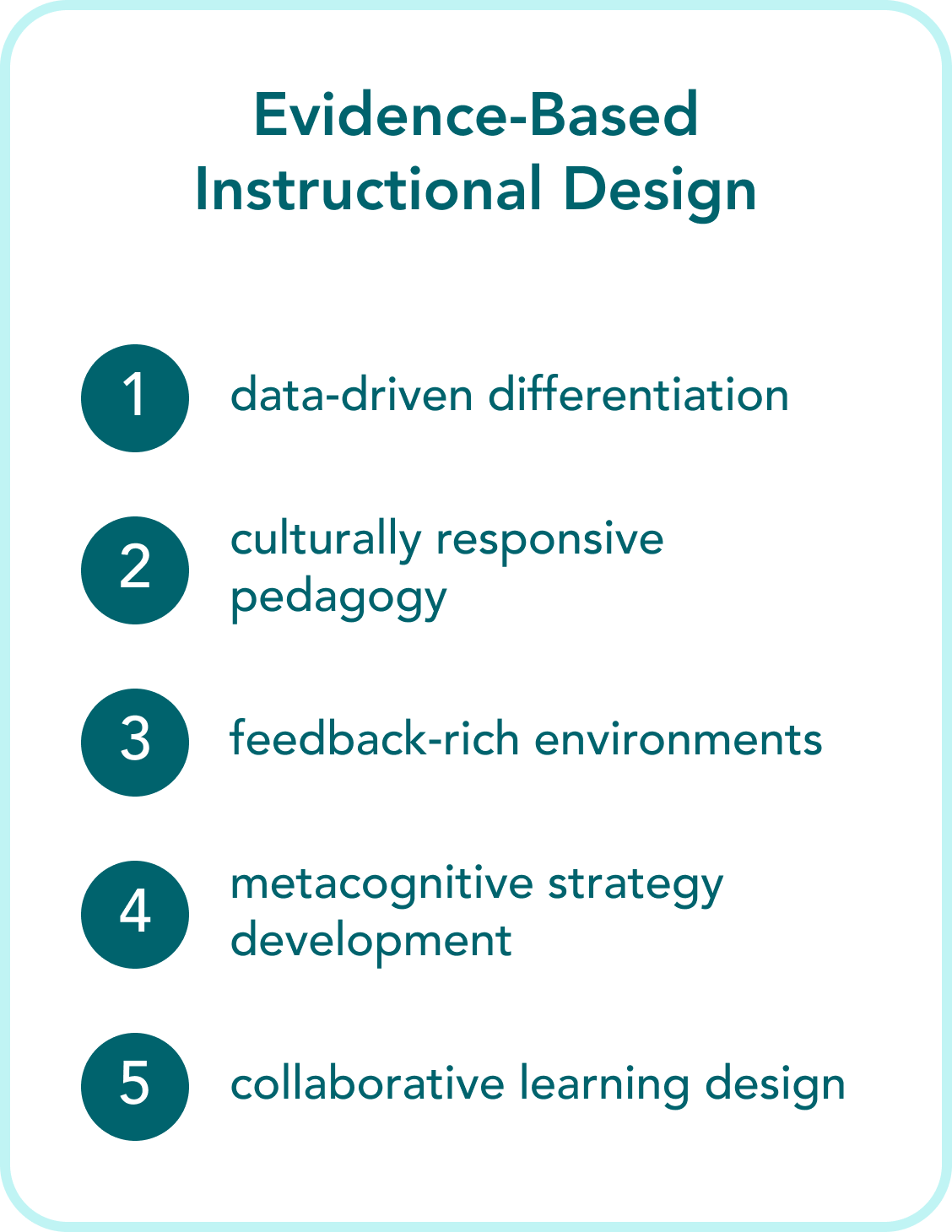
Numbered list titled 'Evidence-Based Instructional Design': 1) data-driven differentiation, 2) culturally responsive pedagogy, 3) feedback-rich environments, 4) metacognitive strategy development, 5) collaborative learning design
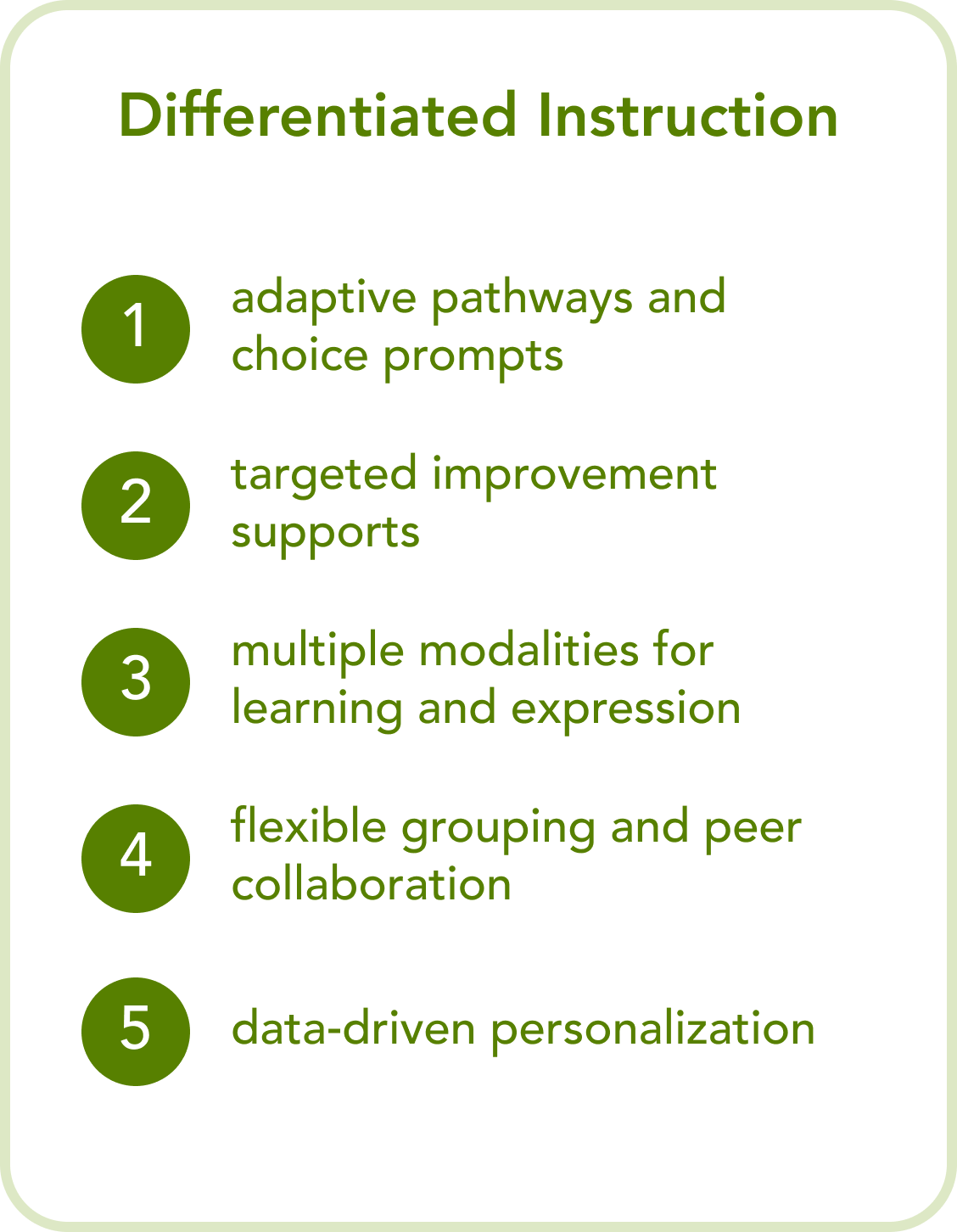
Numbered list titled 'Differentiated Instruction': 1) adaptive pathways and choice prompts, 2) targeted improvement supports, 3) multiple modalities for learning and expression, 4) flexible grouping and peer collaboration, 5) data-driven personalization.

Technical Accessibility Features

Responsible, safe, and respectful use of technology is learned through doing, not lecturing. Students should naturally practice:

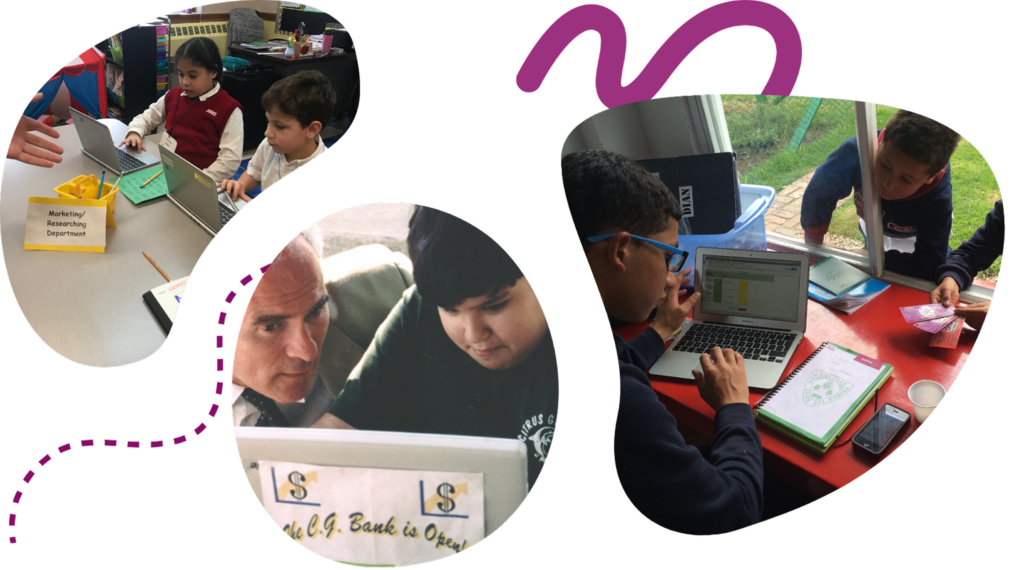
Photo collage of students engaged in hands-on learning: children at a classroom store setup, a teacher and student at a laptop displaying an 'LS Bank is Open' sign, and students working outdoors with a laptop and papers.

Our digital tools are…

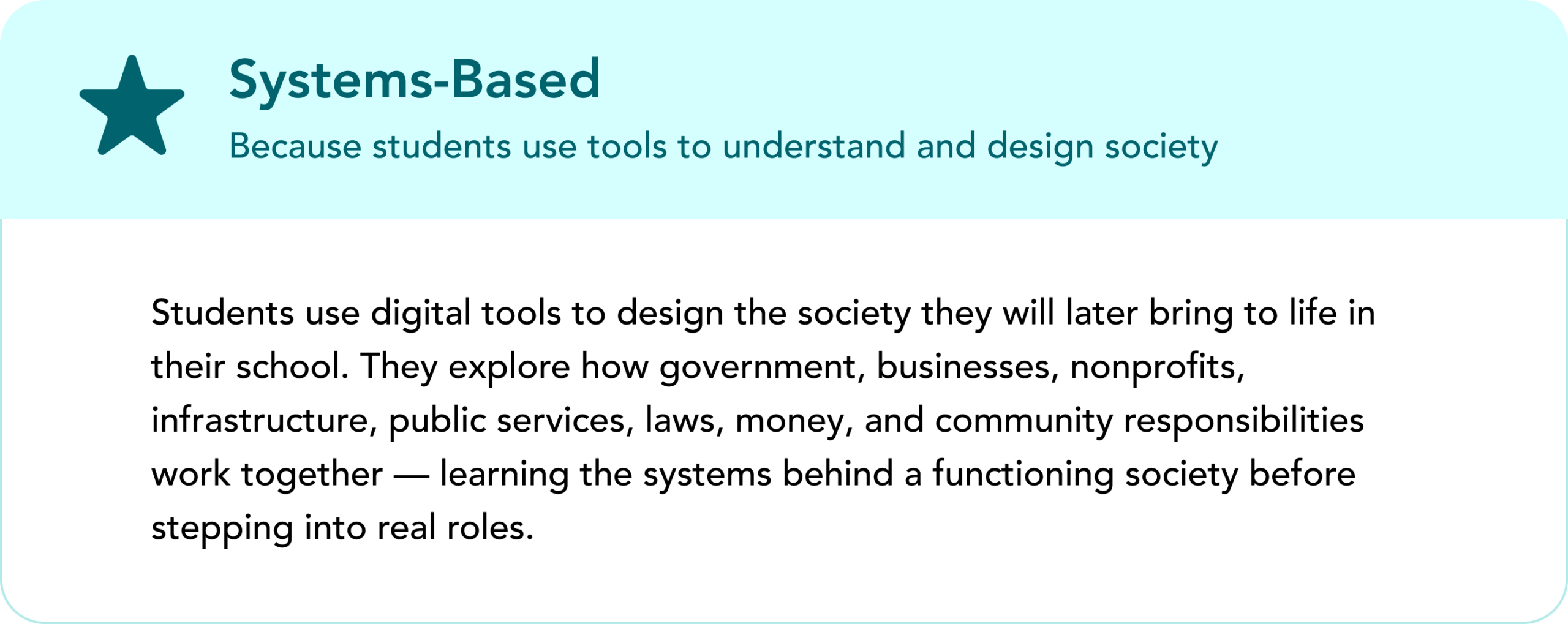
Card titled 'Systems-Based: Because students use tools to understand and design society,' marked with a star icon. Body text: Students use digital tools to design the society they will later bring to life in their school. They explore how government, businesses, nonprofits, infrastructure, public services, laws, money, and community responsibilities work together — learning the systems behind a functioning society before stepping into real roles.
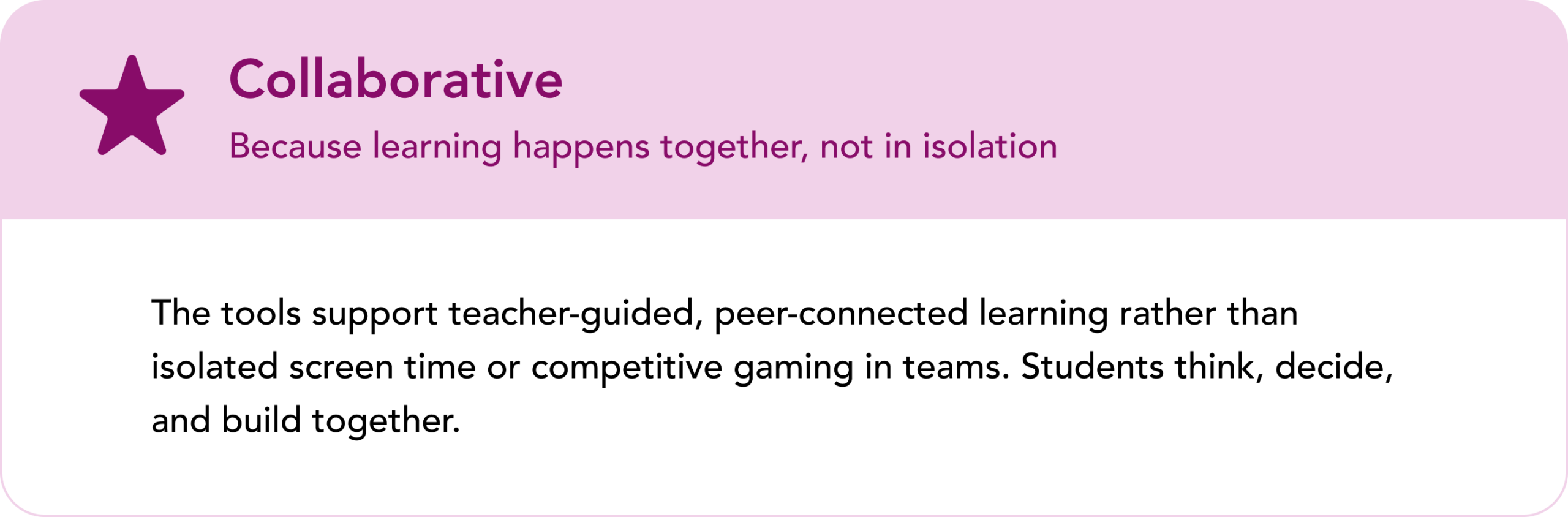
Card titled 'Collaborative: Because learning happens together, not in isolation,' marked with a star icon. Body text: The tools support teacher-guided, peer-connected learning rather than isolated screen time or competitive gaming in teams. Students think, decide, and build together
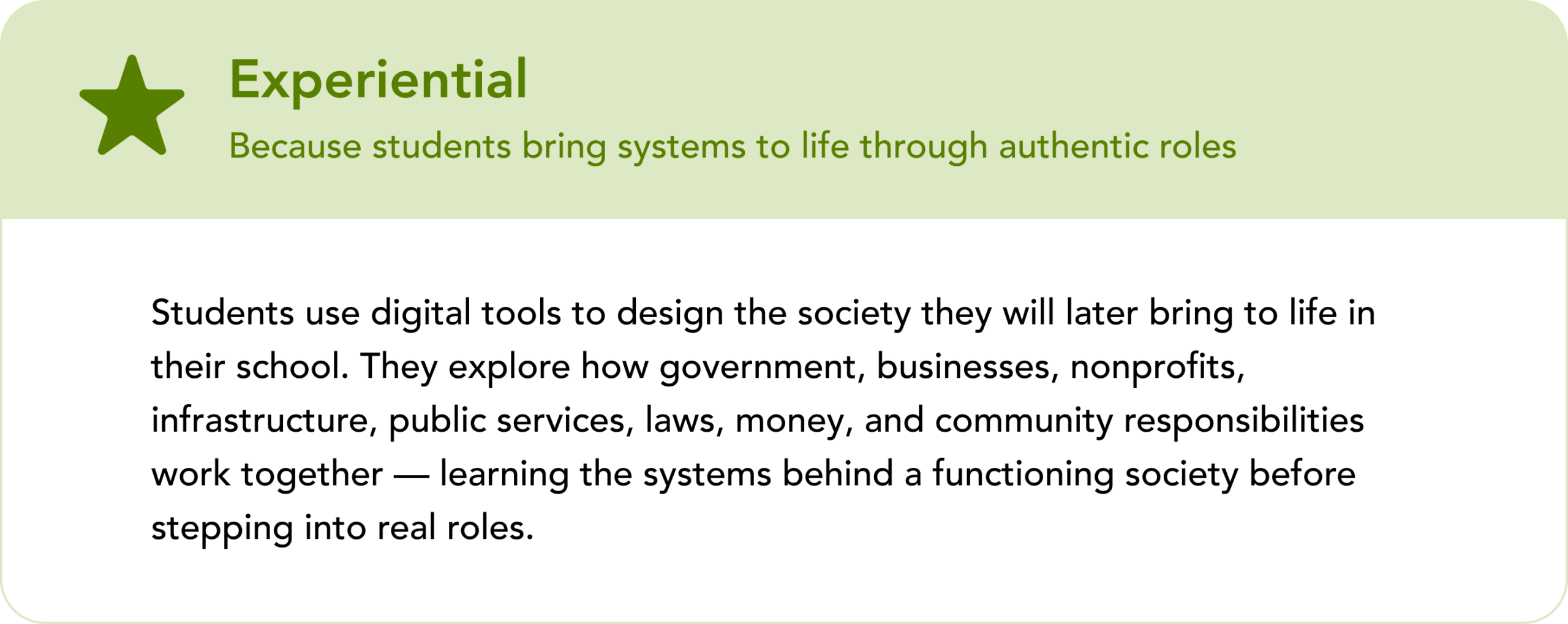
Card titled 'Experiential: Because students bring systems to life through authentic roles,' marked with a star icon. Body text: Students use digital tools to design the society they will later bring to life in their school. They explore how government, businesses, nonprofits, infrastructure, public services, laws, money, and community responsibilities work together — learning the systems behind a functioning society before stepping into real roles.

Discover how MicroSociety’s suite of digital tools brings these design principles to life — helping students build real skills in real communities.