
Digital Tools Design Principles
As concerns about screen time in schools grow, we’re asking a critical question:
What does effective, responsible edtech look like?
Core Philosophy
At MicroSociety Inc., we design digital tools that prepare students to participate meaningfully in real communities. Every design choice strengthens learner agency, empowers teachers, cultivates systems thinking, and supports authentic, future-ready transfer to real‑world contexts.


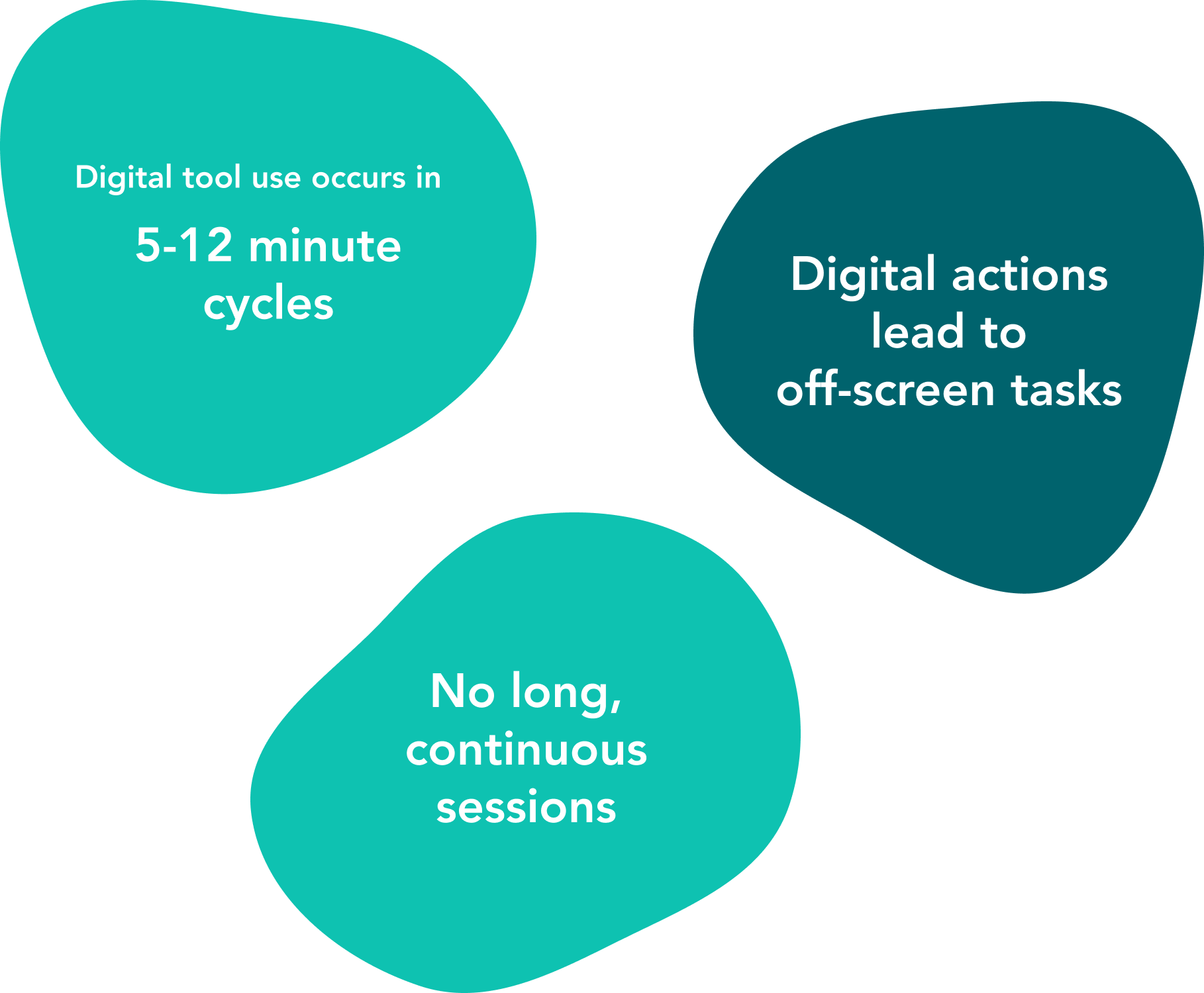
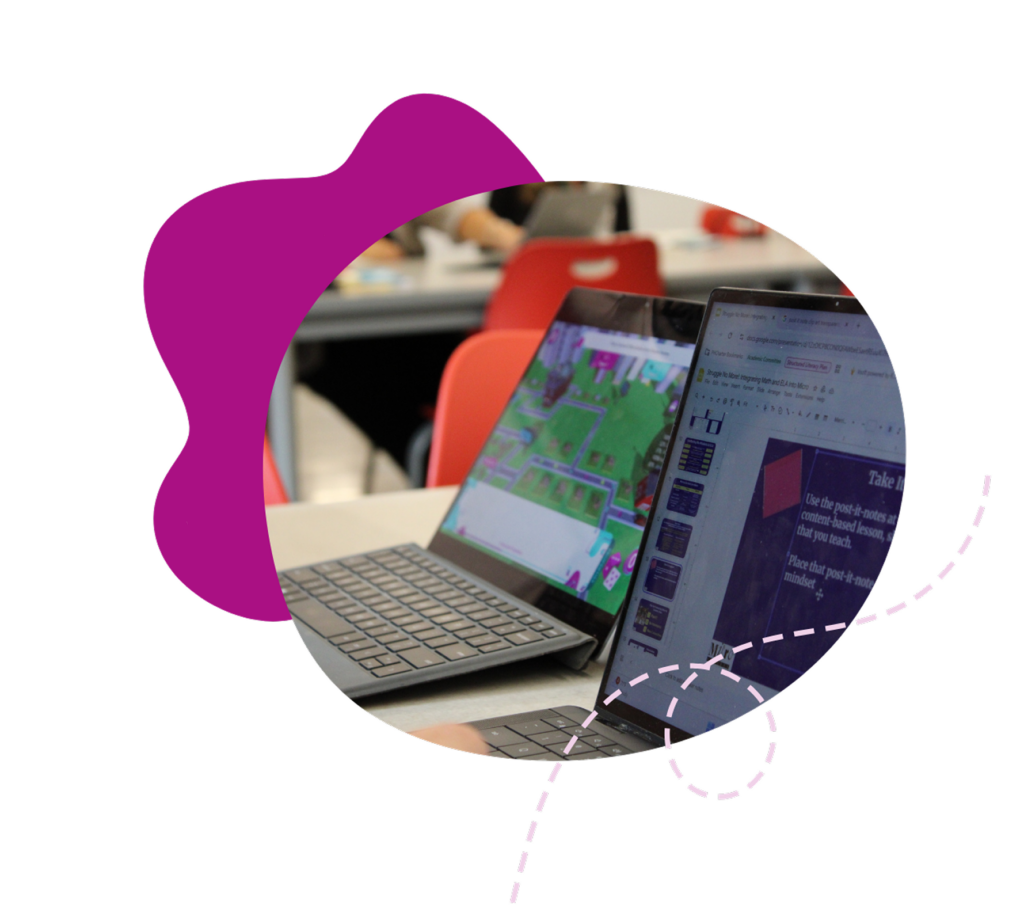
Short, Purposeful Digital Bursts
Research shows that learning peaks with short, cognitively rich interactions. Therefore,


High-Cognitive, Low-Dopamine Design
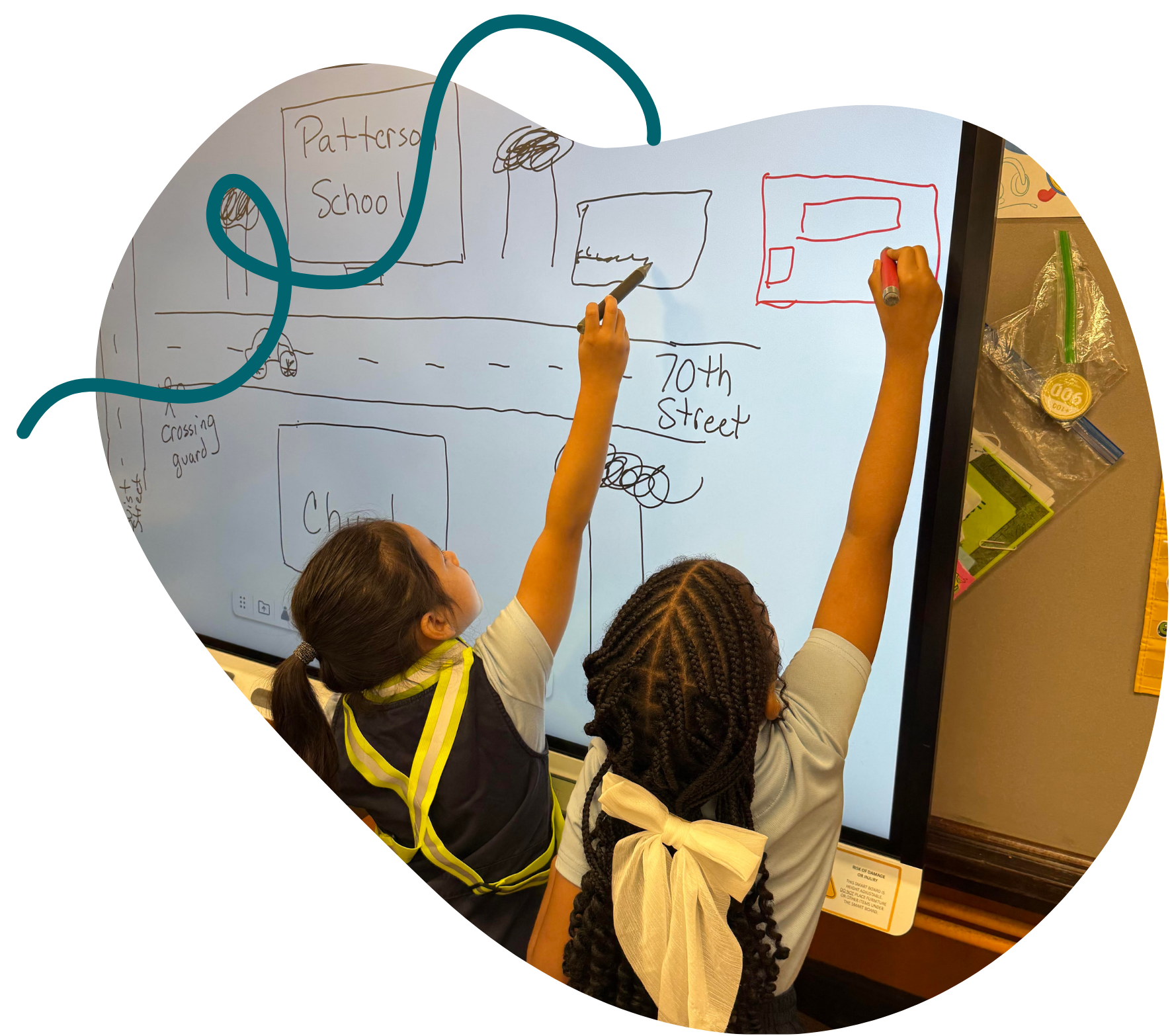
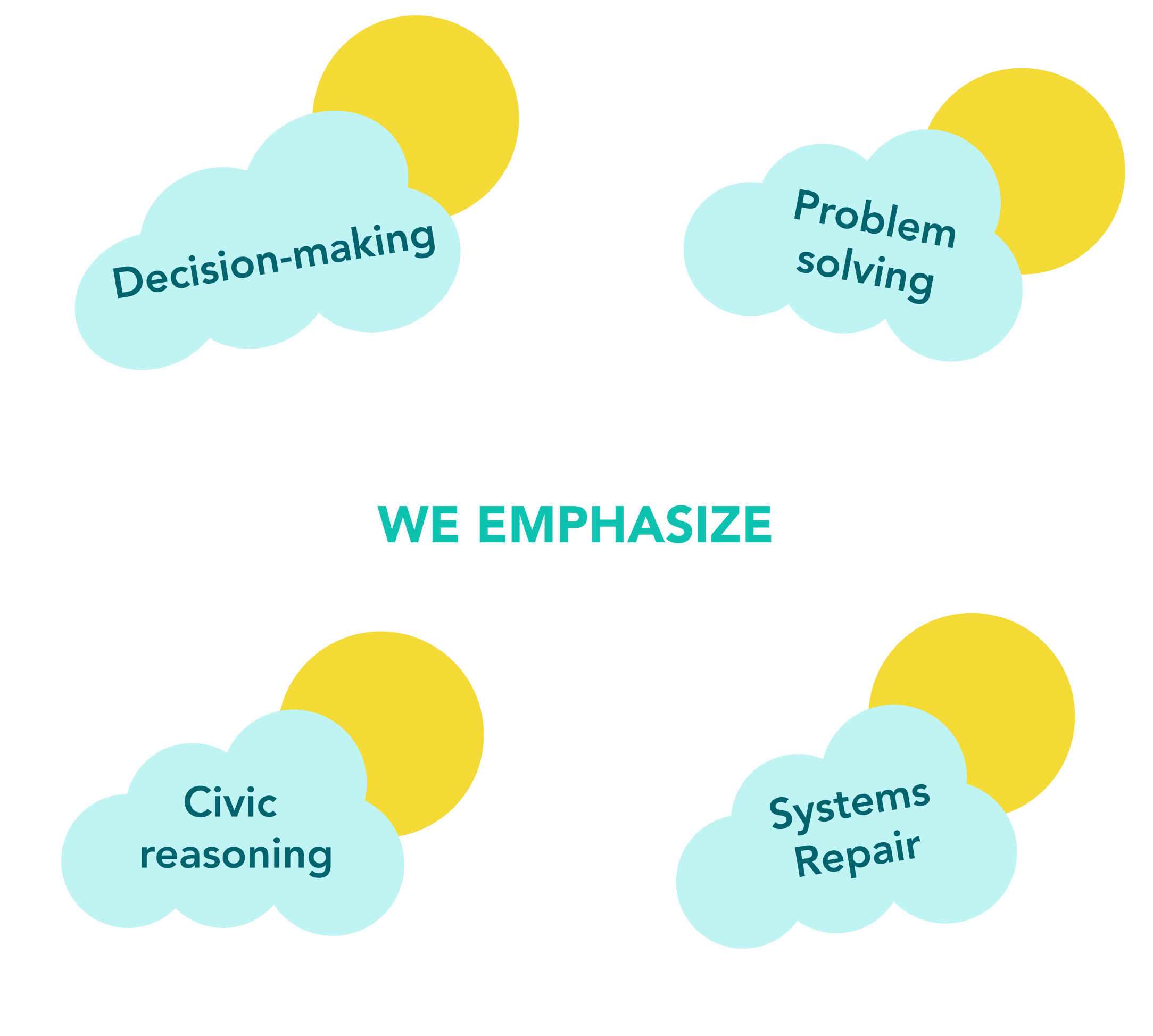
“Good screen time” is participatory, not consumptive. It transforms students from technology consumers into critical thinkers, problem‑solvers, and collaborators.

Teacher-Anchored Learning
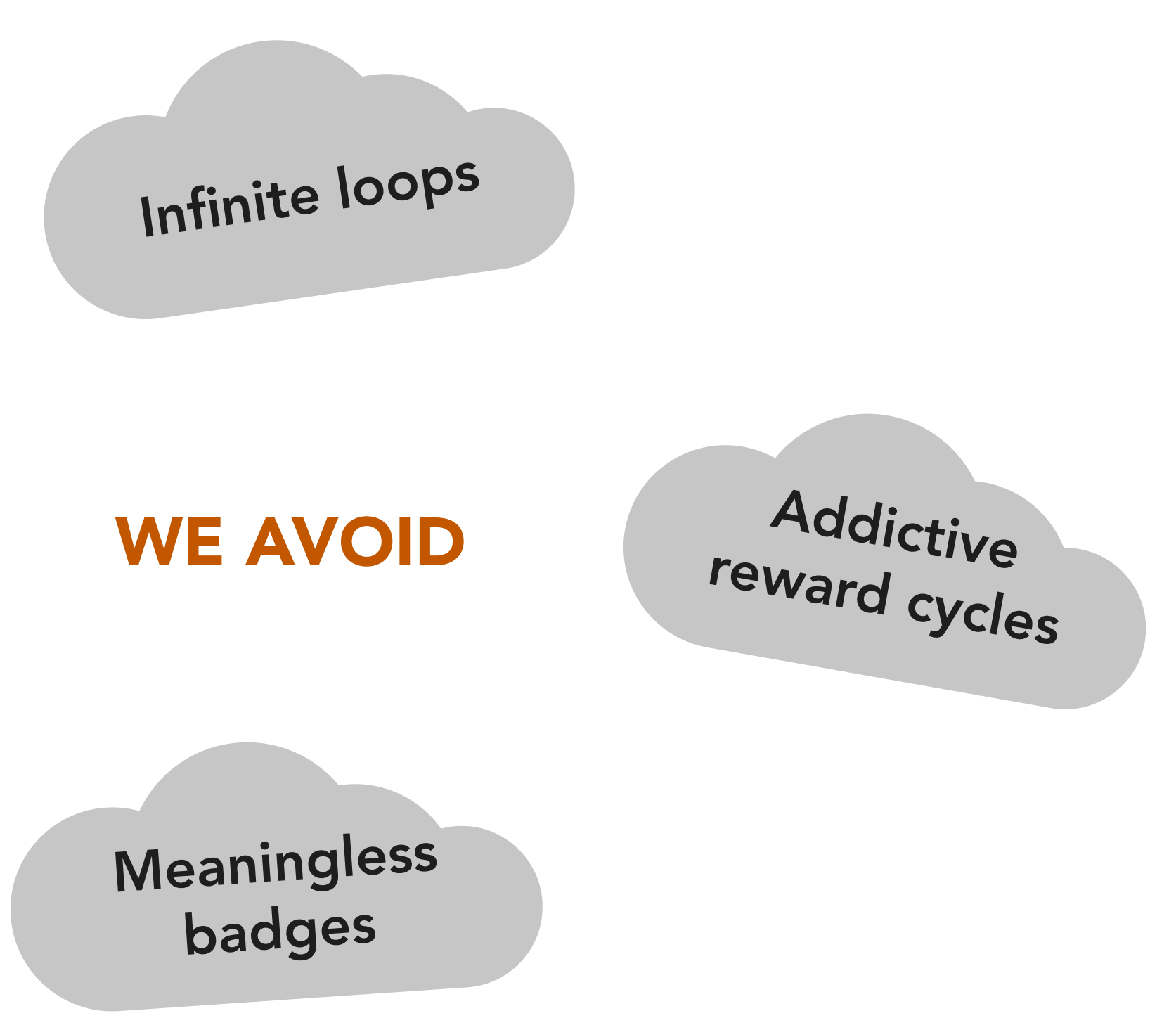
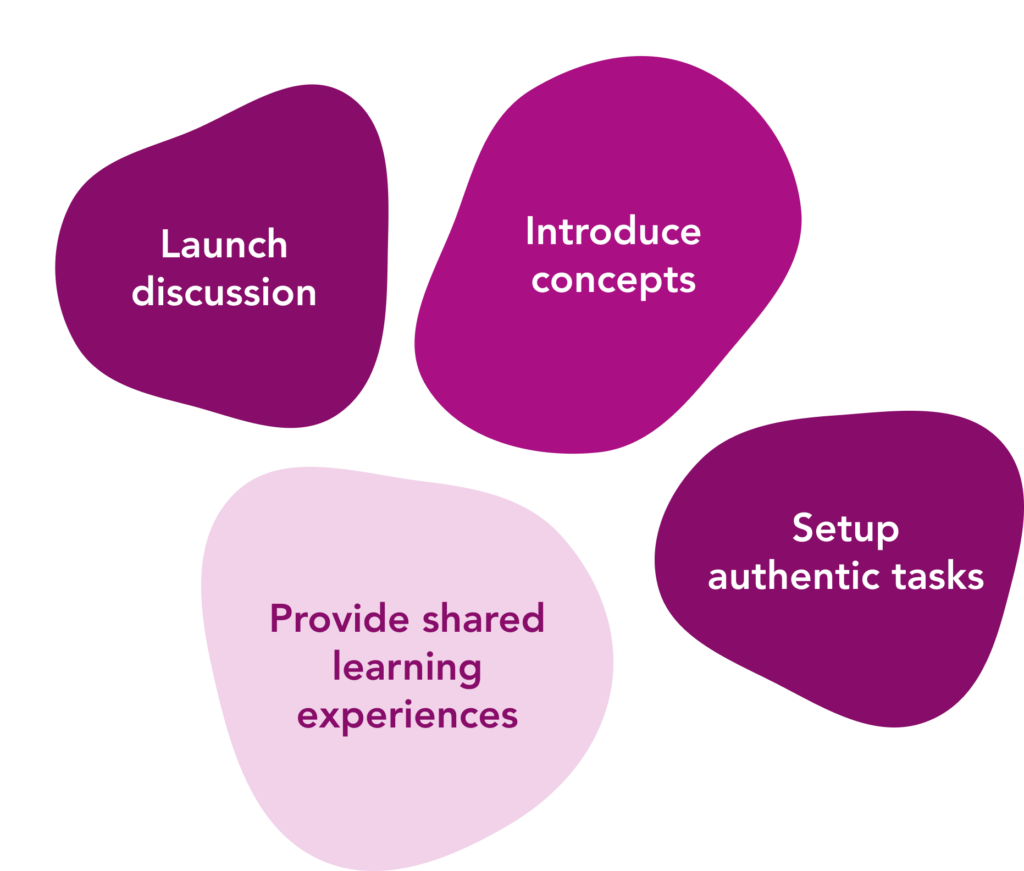
Edtech succeeds when it supports, not replaces, teachers. Our tools:


Real-World Application
A student’s ability to apply knowledge and skills is the #1 predictor of long‑term learning. All of our digital scenarios map to:
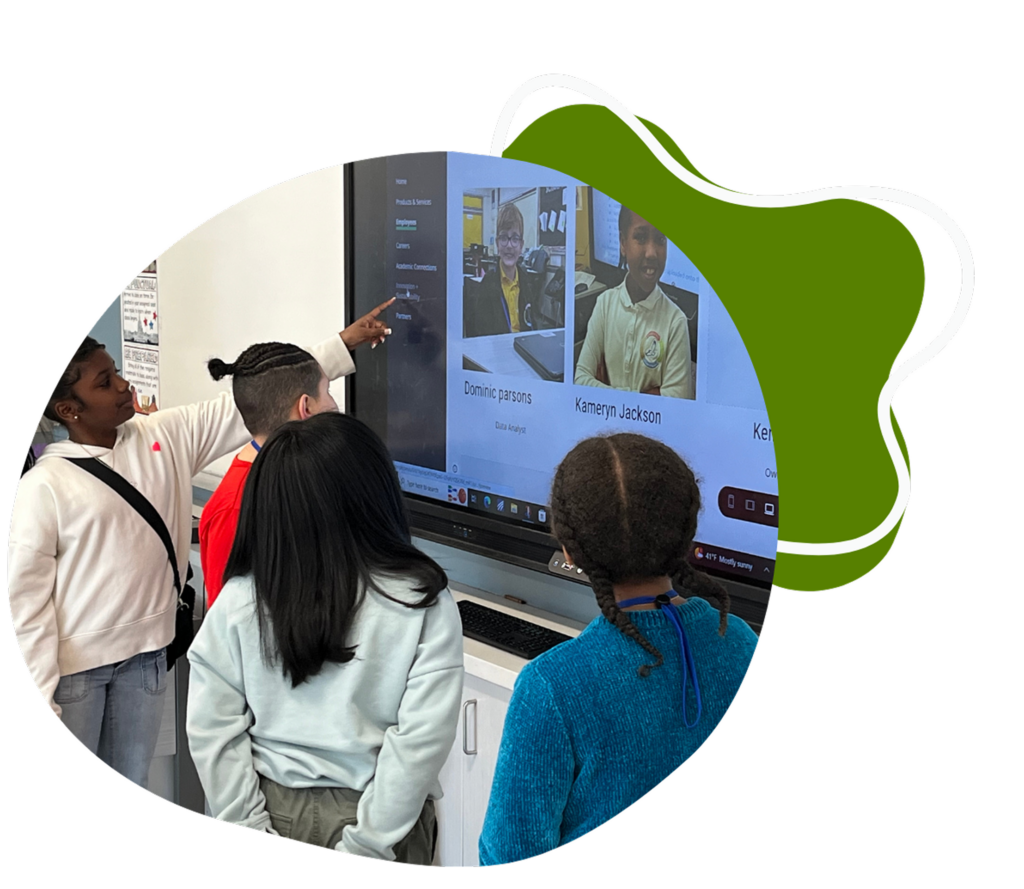
- An authentic role within dynamic systems or communities
- Increasingly complex real-life variables, tradeoffs, and consequences
- Decision-making that impacts people, environments, and economies
- Civic and collaborative behaviors grounded in real-world needs


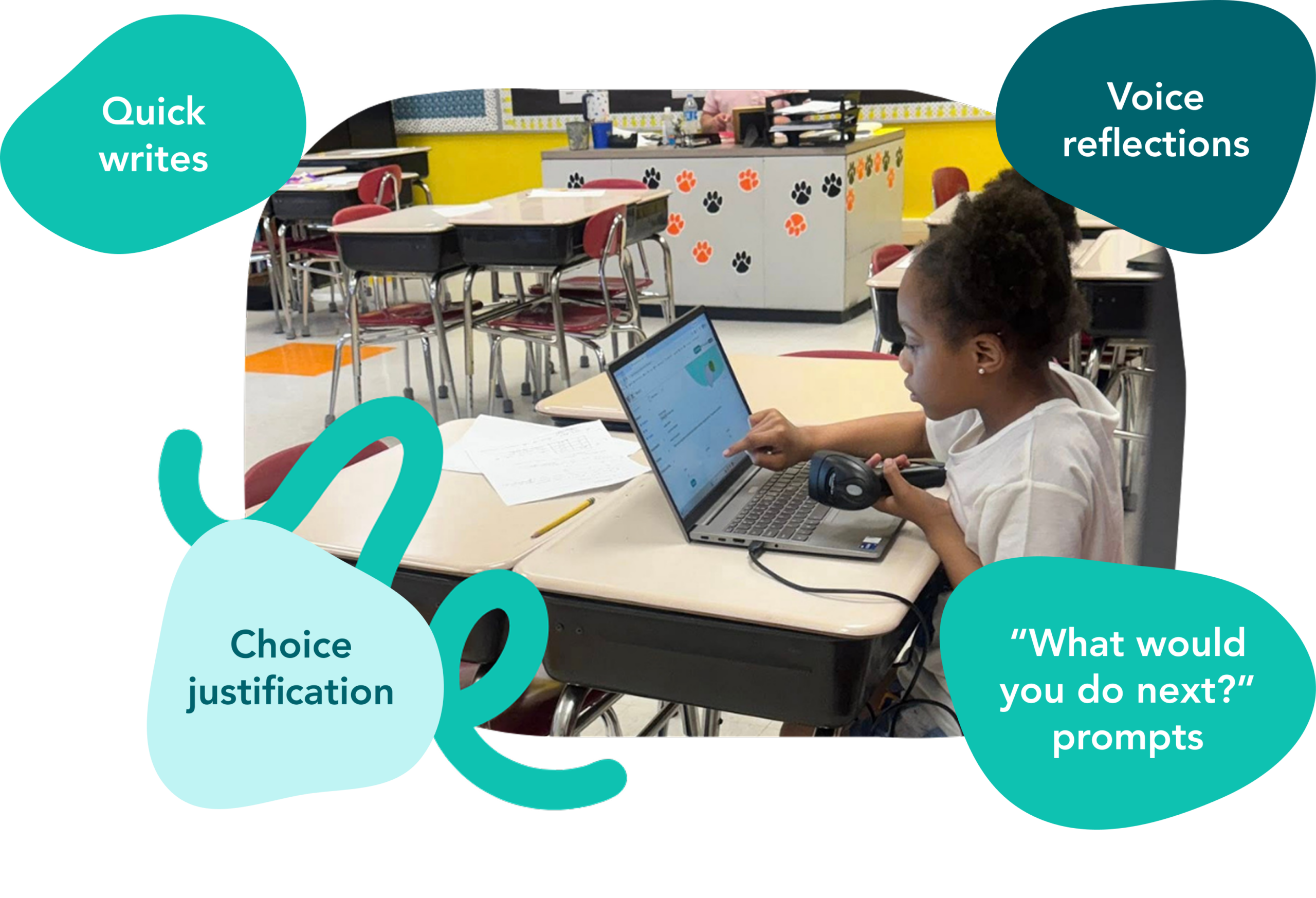
Built-In Reflection
Reflection turns screen time into deeper learning. We include:

Accessibility & Equity
Reflection turns screen time into deeper learning. We include:
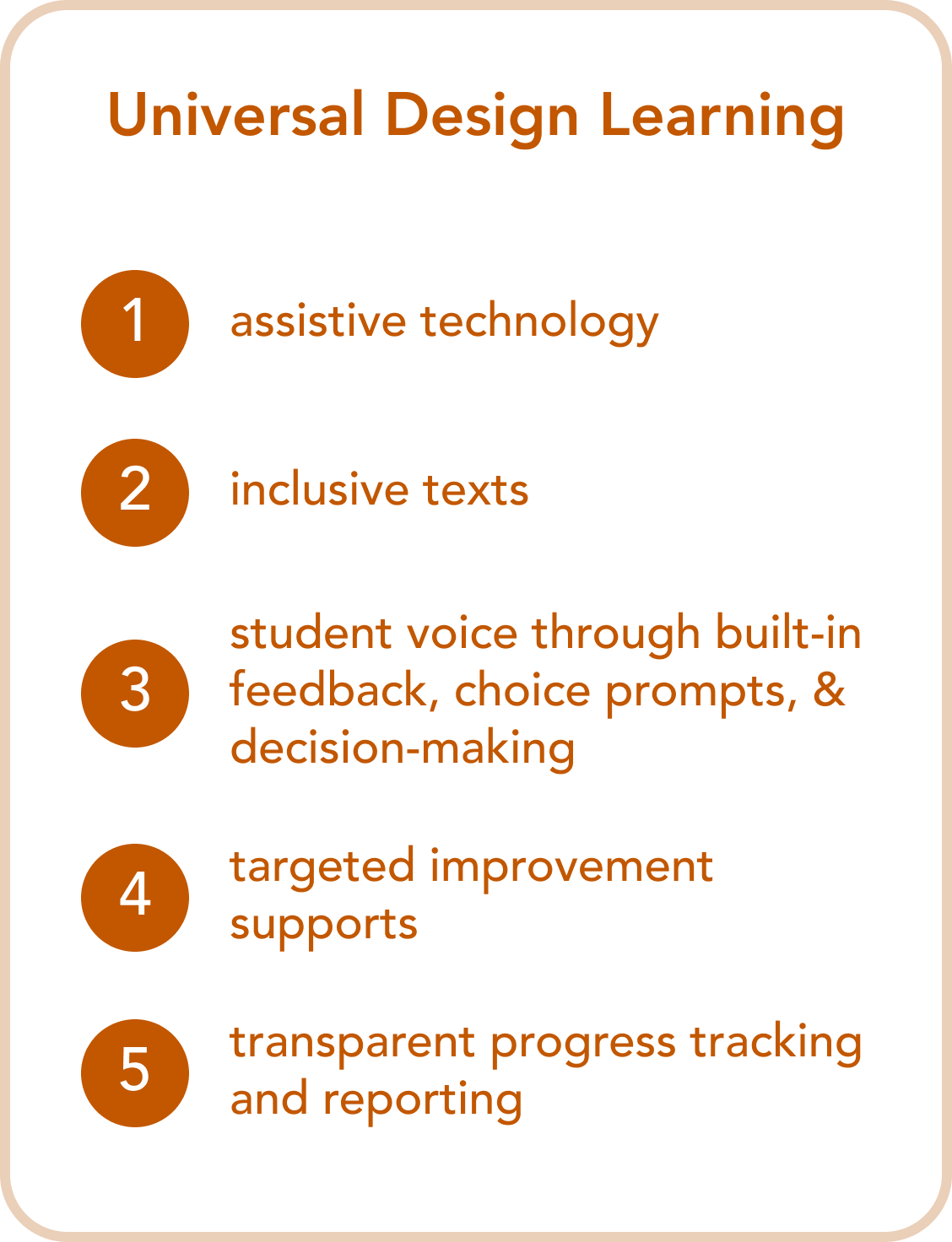
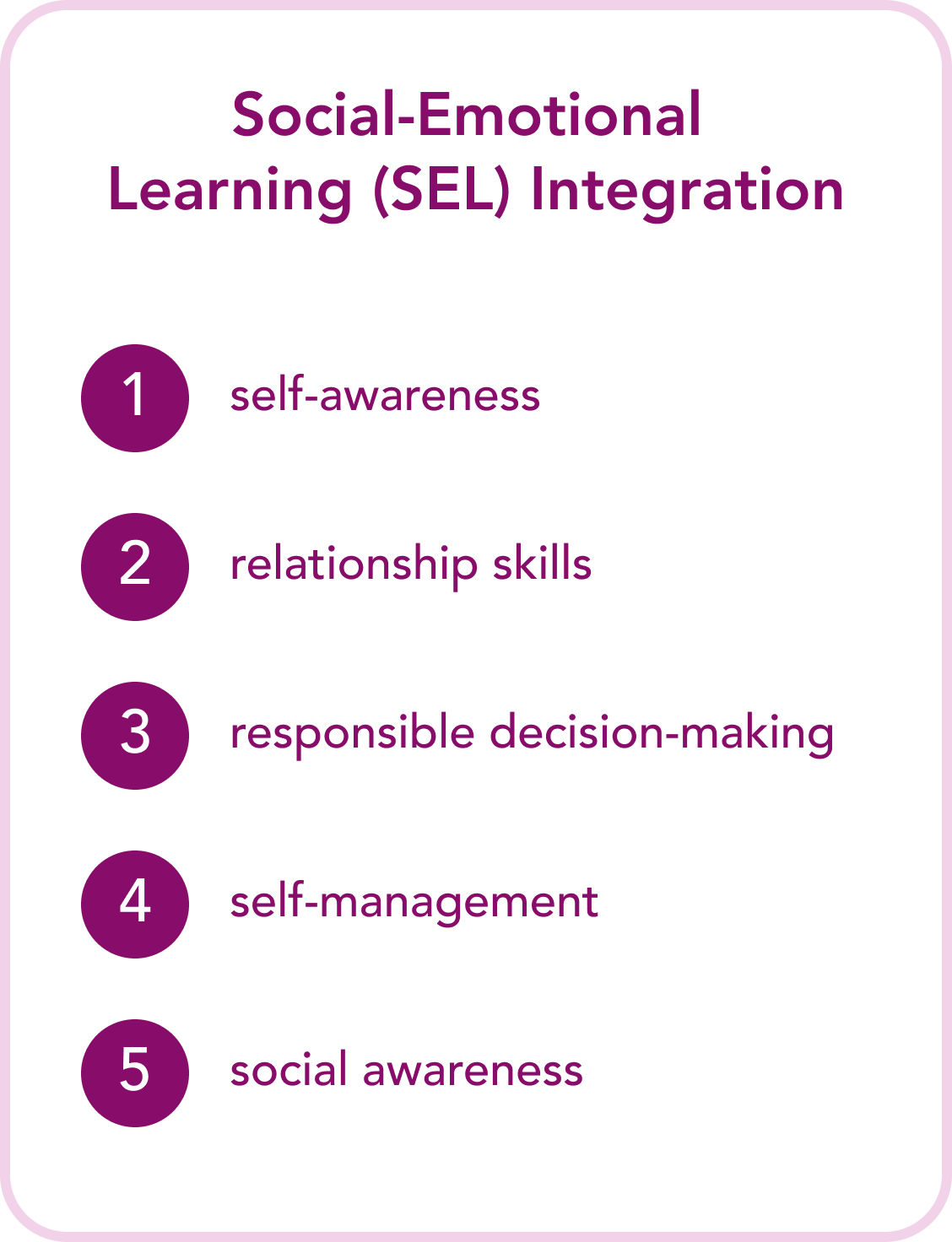
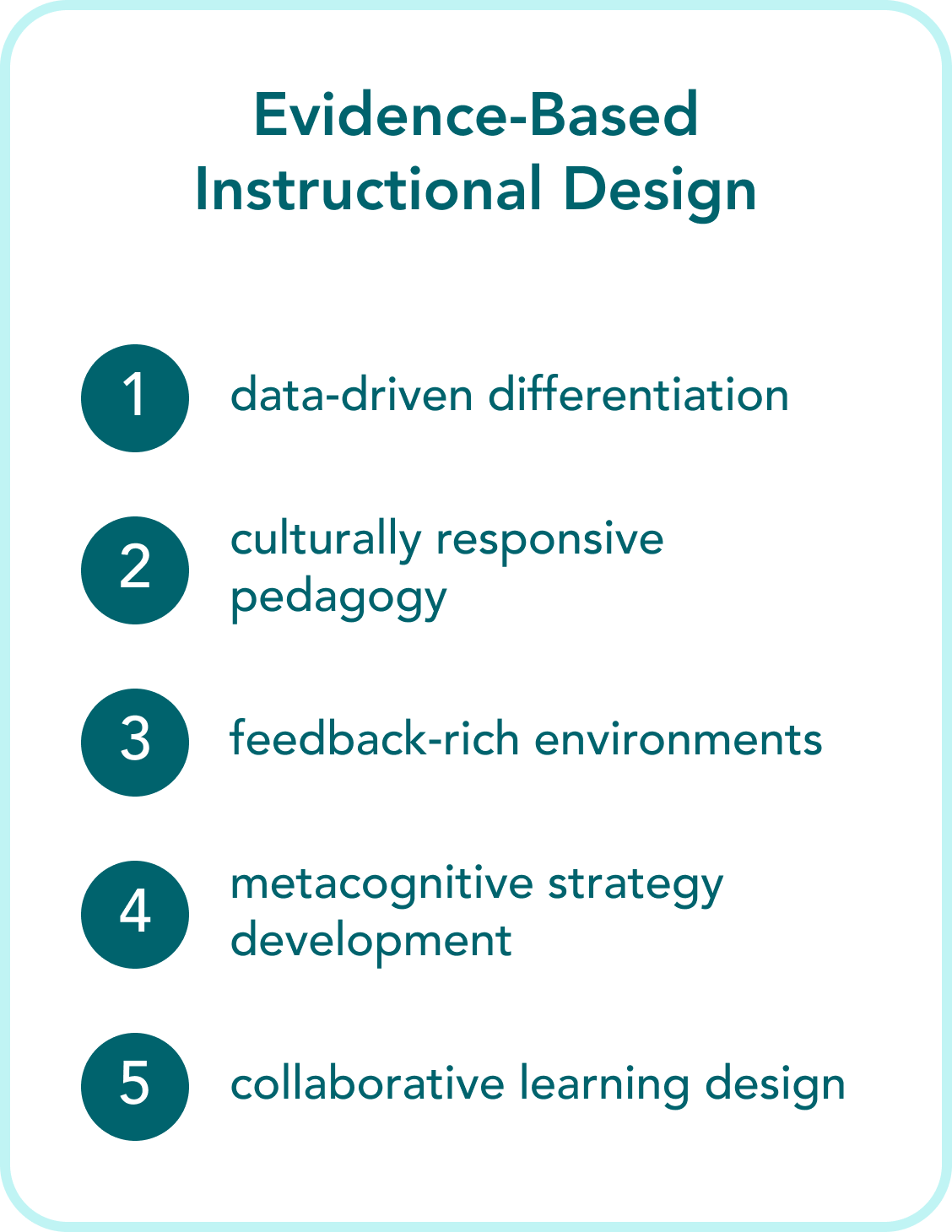
Instructional and Design Frameworks
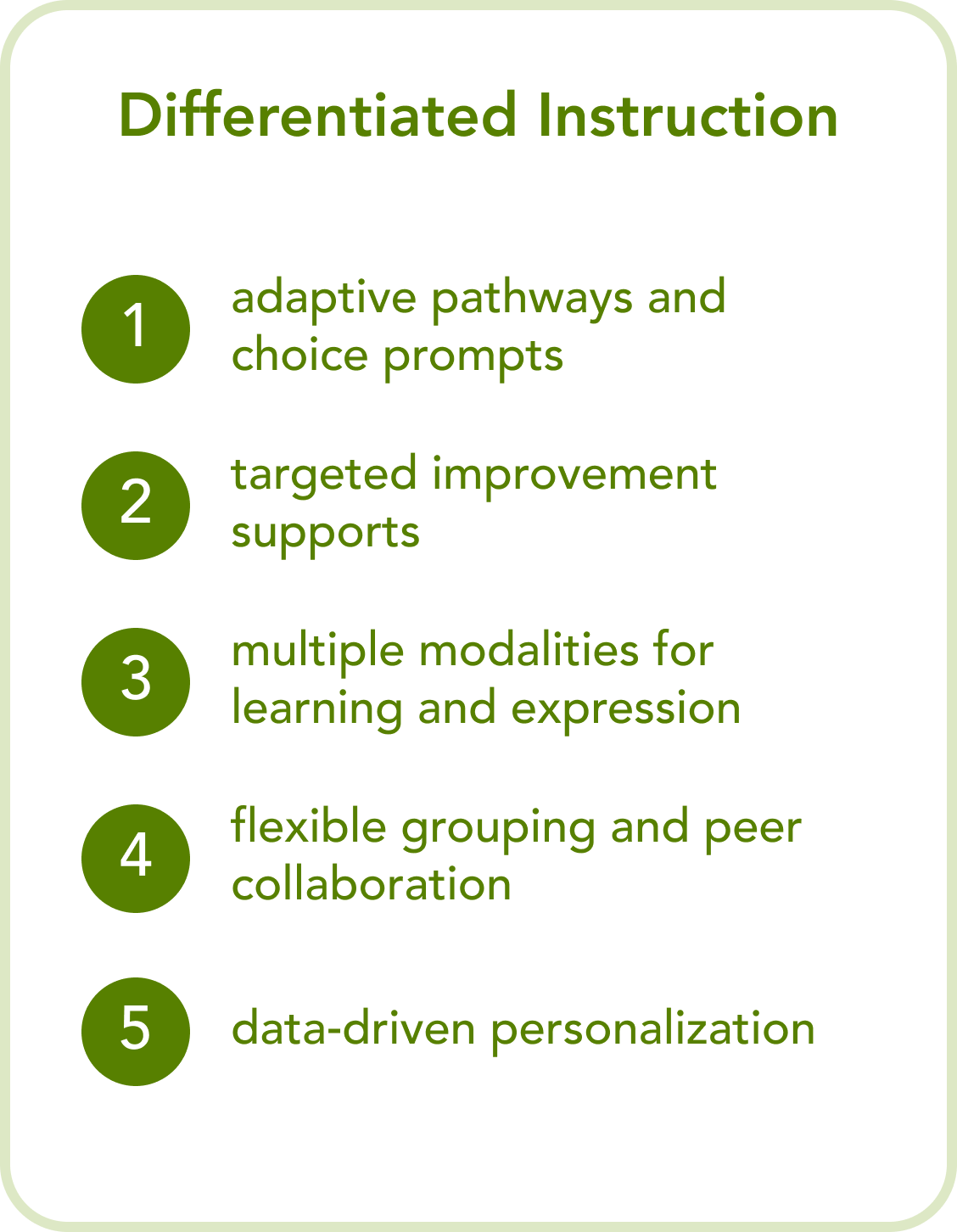
Technical Accessibility Features
Low-bandwidth functionality
Screen reader compatibility
Multilingual support
Color-blind friendly palettes


Digital Citizenship by Design
Responsible, safe, and respectful use of technology is learned through doing, not lecturing. Students should naturally practice:
Evaluation of information
Ethical decision-making
Empathy
Community responsibility
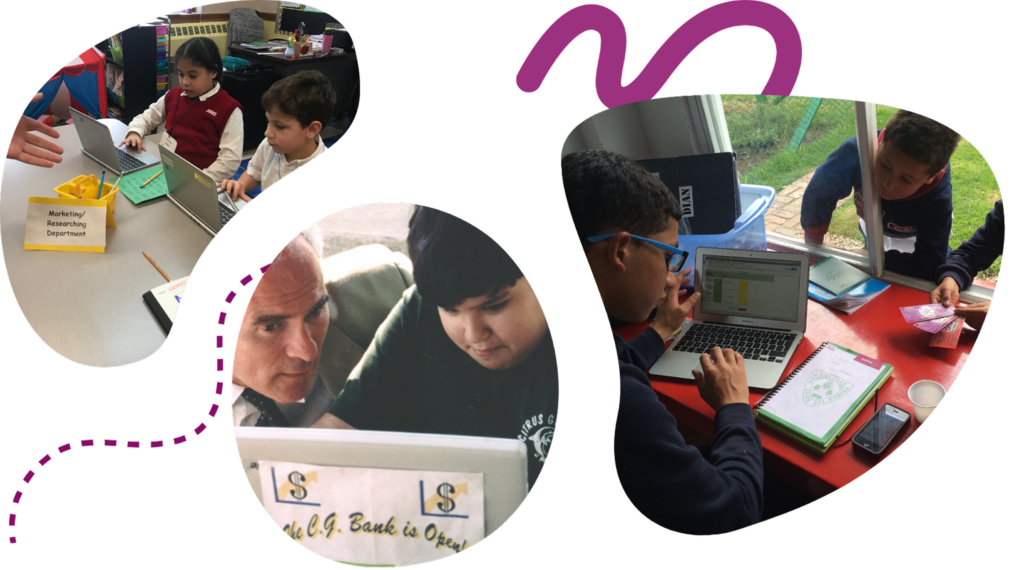

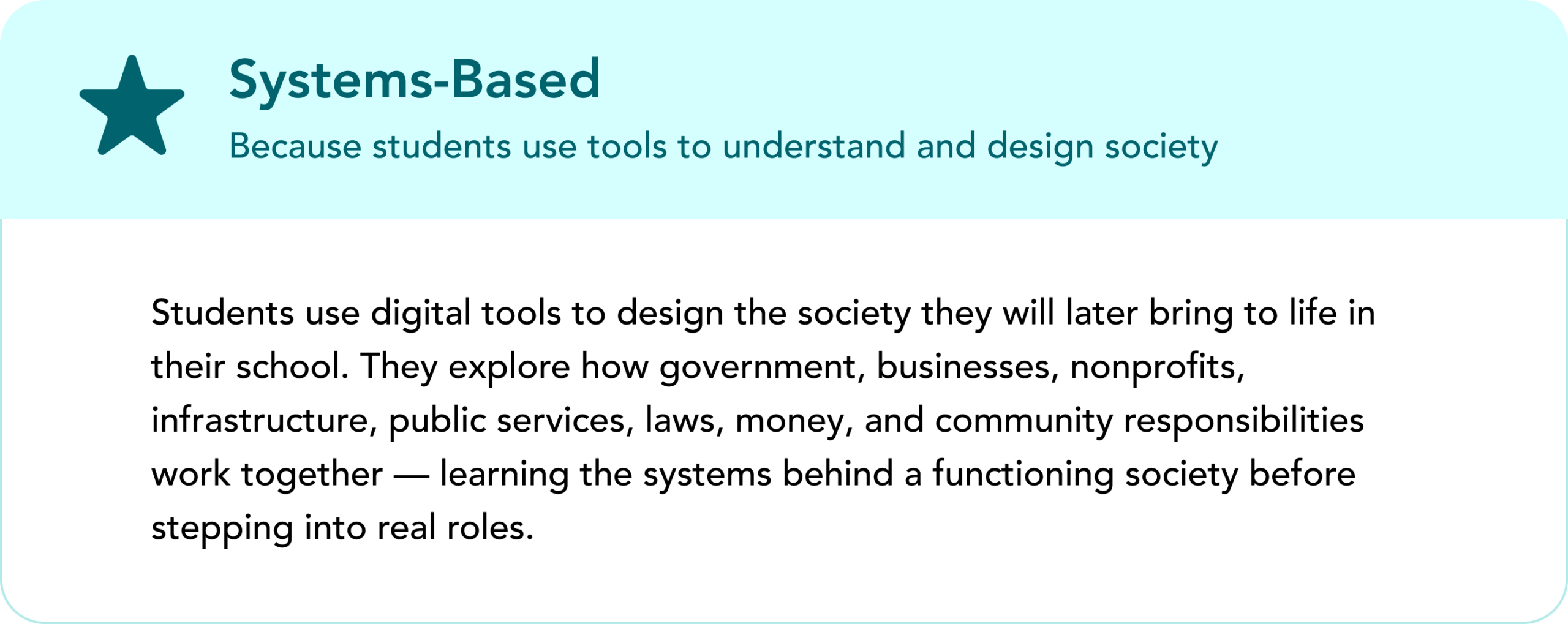
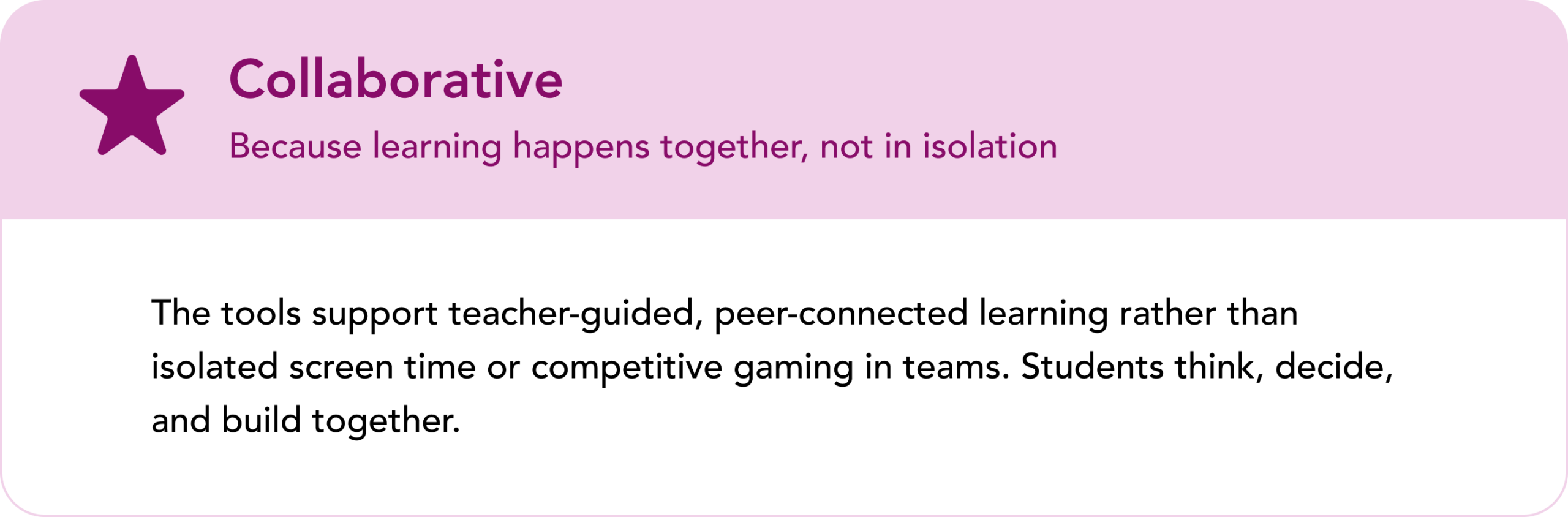
Our digital tools are…
See our Digital Tools in action
Discover how MicroSociety’s suite of digital tools brings these design principles to life — helping students build real skills in real communities.